How to Avoid Eco Hotels Chemical Risks: A Comprehensive Guide
The emergence of the eco-conscious hospitality sector has brought with it a paradox: the drive to sanitize, beautify, and maintain comfort in natural environments often relies on a chemical arsenal that contradicts the very sustainability ethos properties claim to uphold. While guests frequently focus on energy efficiency or architectural footprints, the pervasive presence of synthetic surfactants, VOC-emitting finishes, and persistent pesticides remains a silent, critical oversight. Managing these inputs is not merely a housekeeping preference; it is a fundamental pillar of environmental and human health integrity.
Addressing these risks requires a sophisticated transition from traditional, mass-market cleaning and maintenance paradigms toward a holistic chemical management strategy. This involves re-evaluating everything from the supply chain for linens to the architectural sealants used in room renovations. The challenge lies in the lack of transparency in industrial chemical labeling and the technical difficulty of verifying safety claims in remote or proprietary operating environments.
This investigation explores the systemic complexities of chemical exposure in hospitality, providing a rigorous analytical framework for those tasked with designing, operating, or auditing these spaces. By moving beyond marketing-driven claims and focusing on material toxicity, operational protocols, and procurement intelligence, it becomes possible to move toward a truly non-toxic, regenerative model of lodging.
Understanding “how to avoid eco hotels chemical risks”
When professionals deliberate on how to avoid eco hotels chemical risks, they are addressing the structural reliance on synthetic compounds designed for “industrial strength” cleaning and preservation. The common misunderstanding is that “green” cleaning products represent a comprehensive solution. In reality, chemical risk is pervasive: it resides in the flame retardants on upholstery, the micro-plastics in synthetic carpeting, the biocides in cooling tower water, and the off-gassing of paints and adhesives.
Avoiding these risks necessitates a shift from reactive substitution—simply swapping one branded product for another—to proactive material elimination. The oversimplification risk here is profound; a property may market itself as eco-friendly while simultaneously utilizing HVAC systems that aerosolize harsh, synthetic fragrance chemicals, creating an environment that is technically “clean” but biologically hostile. A genuine strategy involves deep-dive audits into material safety data sheets (MSDS), vendor verification, and a commitment to biological monitoring.
Deep Contextual Background: The Evolution of Industrial Hygiene in Hospitality
The trajectory of chemical usage in hotels began with the post-WWII explosion of synthetic chemistry, where “sterility” became the shorthand for quality. For decades, the industry prioritized aggressive, high-potency agents to minimize maintenance time and maximize speed. It is only recently that the scientific understanding of “sick building syndrome” and chronic low-level chemical exposure has forced the hospitality sector to confront the health costs of these choices. The current movement toward “biophilic” and “wellness-centric” design is, in part, an attempt to undo the architectural legacy of sealing interior environments with petrochemical-based barriers.
Conceptual Frameworks and Mental Models
-
The Precautionary Principle: In the absence of definitive, long-term toxicological data on a new compound, the property defaults to the safest, most proven natural alternative.
-
Source Control vs. Mitigation: Prioritizing the elimination of the source of toxicity (e.g., opting for solid wood over MDF/formaldehyde-bonded particleboard) rather than relying on air purifiers to filter emissions.
-
Lifecycle Chemical Accounting: A model that evaluates the chemistry of a product from raw material extraction, through hotel use, and ultimately, its end-of-life disposal.
Key Categories of Exposure and Toxicological Risk
| Category | Primary Sources | Key Risk Factor |
| Volatile Organic Compounds (VOCs) | Paints, sealants, new furniture | Respiratory irritation; chronic exposure. |
| Persistent Bioaccumulative Toxins | Flame retardants, stain guards | Endocrine disruption over time. |
| Synthetic Biocides | Disinfectants, HVAC treatments | Disruption of human microbiome health. |
| Synthetic Surfactants | Detergents, shampoos | Ecological damage to local water tables. |
Decision logic for a manager: If a chemical’s primary function can be replaced by a mechanical process (e.g., high-heat steam cleaning instead of chemical biocide application), the mechanical process should be the default, regardless of slightly longer labor times.
Operational Scenarios and Decision Logic
-
Scenario: The Renovated Heritage Property. Dealing with legacy lead or asbestos beneath layers of modern, high-VOC finishes. Decision: Full abatement vs. encapsulation. Second-order effects: Encapsulation may create a barrier that interferes with natural building breathability, leading to moisture-induced mold growth.
-
Scenario: The Sub-Tropical Resort. The moisture-heavy environment leads to rapid mildew growth. The temptation is to use heavy chlorine or synthetic fungicides. Strategy: Redesigning ventilation and using desiccants rather than chemicals to manage dew points.
-
Scenario: The Daily Housekeeping Protocol. Balancing guest expectations of a “sterile” smell with the reality that synthetic fragrances are common respiratory triggers. Decision: Replacing aerosol fragrances with botanical essential oil diffusion or opting for scent-free environments.
Resource Dynamics: The Cost of Purity
Investing in a non-toxic environment typically shifts the budget from recurring OpEx (constant chemical replenishment) to upfront CapEx (higher-quality finishes, better ventilation, staff training).
| Investment Type | Resource Implication | Long-Term Variability |
| Low-Toxicity Finishes | Higher upfront material cost | Decreased renovation frequency |
| Automated Monitoring | High initial tech cost | Low maintenance requirements |
| Staff Training | High time investment | Significant reduction in waste/errors |
The Risk Landscape and Compounding Failure Modes
-
Greenwashing Deception: Relying on vague certifications that lack rigorous third-party scientific verification.
-
The “Additive” Trap: Adding air purification systems as a substitute for removing the VOC-emitting materials that necessitate them in the first place.
-
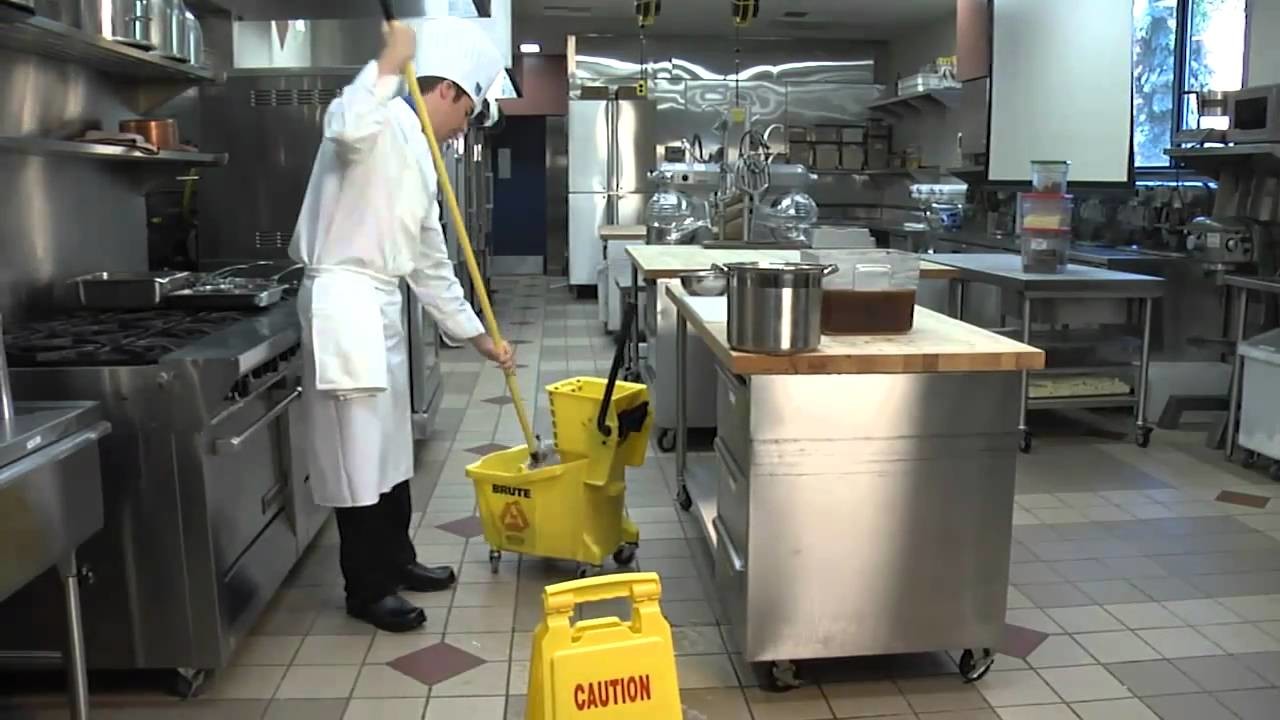
Micro-scale Neglect: Focusing on public-facing cleaning agents while neglecting the toxic chemicals used in back-of-house, high-volume laundry or commercial kitchen maintenance.
Governance and Long-Term Adaptation
Governance requires a rigid, living document—a “Chemical Protocol Manual”—that is reviewed annually.
-
Review Cycles: Every new product introduction must pass a non-toxicity review.
-
Adjustment Triggers: If new indoor air quality (IAQ) sensors register spikes in formaldehyde or particulate matter, specific maintenance protocols are automatically paused for investigation.
-
Layered Checklist: Procurement verification, staff training audits, IAQ monitoring logs, and guest health feedback loops.
Measurement, Tracking, and Evaluation
-
Quantitative: PPM (parts per million) monitoring of VOCs; tracking the ratio of certified organic/non-toxic cleaning products used vs. traditional chemicals.
-
Qualitative: Standardized staff surveys regarding physical comfort; guest feedback categorized by sensitivity reporting.
-
Documentation: A comprehensive “Material Passport” for every room, listing all finishes and maintenance substances used, allowing for precise tracking of any chemical-related issues.
Common Misconceptions and Oversimplifications
-
“Natural means non-toxic.” Some of the most potent environmental toxins are naturally occurring; material safety depends on toxicology, not source origin.
-
“Odorless equals chemical-free.” Many chemicals are designed to mask odors or neutralize them without eliminating the underlying particulate cause.
-
“Cleaning must involve foam or heavy liquids.” Dry-cleaning methods or vacuum-filtration systems are often vastly superior for minimizing chemical residue.
Conclusion
Understanding how to avoid eco hotels chemical risks is an ongoing process of questioning the status quo of hospitality maintenance. The most effective approach is not to build a “safer” chemical management system, but to gradually reduce the property’s dependency on the chemical paradigm itself. By focusing on architectural design, material integrity, and mechanical cleaning, hotels can foster environments that truly reflect the purity of the natural landscapes they occupy. Adaptability in this field comes from a commitment to empirical evidence and a willingness to prioritize health outcomes over the aesthetics of industrial sterility.