Compare Eco Hotels Amenities: A Guide to Authentic Sustainable Travel
The evolution of hospitality has shifted from an era defined by standard-issue luxury to one increasingly governed by environmental stewardship and operational transparency. As modern travelers become more discerning, the challenge lies in deciphering which properties genuinely integrate sustainable practices and which rely on superficial aesthetic modifications. A truly sophisticated approach requires looking beyond the marketing brochures to the fundamental systems—the water management, the energy infrastructure, and the ethical sourcing of materials—that define the property’s actual footprint.
Navigating this terrain demands a analytical rigor rarely applied to leisure planning. When one intends to compare eco hotels amenities, the objective is not simply to contrast room features but to evaluate how those features reflect the property’s broader commitment to ecological integrity. Amenities are not isolated offerings; they are the tangible interfaces between the hotel’s operational policies and the guest’s experience. Consequently, a deep understanding of these features reveals whether a property is practicing authentic restorative tourism or merely engaging in cosmetic, performative measures.
This article provides the framework necessary for an exhaustive evaluation of these assets. It moves past industry platitudes to examine the systemic dependencies, the hidden resource costs, and the structural realities that separate market leaders from those leveraging the concept for competitive gain. By establishing a professional-grade methodology for assessment, this guide enables readers to make decisions based on verifiable data and long-term impact.
Understanding “compare eco hotels amenities”

The urge to compare eco hotels amenities often leads researchers to create false equivalencies. A common oversight involves prioritizing the “visible” amenities—such as refillable shampoo bottles or reclaimed wood furniture—while completely ignoring the “hidden” systems that drive the hotel’s environmental performance. If a property prioritizes plastic-free bathroom products but operates on a massive, inefficient HVAC system that remains active in empty rooms, the aggregate environmental benefit is effectively null.
Oversimplification poses the greatest risk in this evaluation. Prospective guests frequently assume that all sustainable features carry the same weight. However, reducing water consumption via high-efficiency fixtures is structurally distinct from the carbon-heavy process of importing luxury materials for aesthetic appeal. To compare eco hotels amenities effectively, one must recognize that a luxury suite is only as sustainable as its underlying utility infrastructure. Authentic properties facilitate a seamless experience where the guest’s comfort does not necessitate the excessive consumption of local resources.
Deep Contextual Background
The trajectory of hospitality has moved from the standardized “universal hotel” model—which relied heavily on imported, carbon-intensive resources—to a more localized, site-specific approach. Early attempts at “eco” hospitality were often isolated, focusing on individual, unintegrated technologies. The result was a fragmented experience where the hotel might use solar energy but still rely on non-local, highly processed food imports.
The current systemic evolution emphasizes integrated, circular operations. Modern leaders in the space view their property as a biological component of their locale, designed to foster biodiversity and support regional economies. When we compare eco hotels amenities today, we are effectively evaluating the maturity of this systemic integration. The shift is from the passive “do no harm” philosophy toward a regenerative model, where the hotel’s presence actually bolsters the environmental and social fabric of its host destination.
Conceptual Frameworks and Mental Models
-
The Regenerative Potential: This framework assesses whether the property’s activities contribute to the health of the local landscape, such as through wildlife protection or soil restoration projects that guests might interact with.
-
Resource Intensity Per Guest: This model quantifies the exact volume of water, energy, and waste produced per individual guest night. It strips away the marketing language to reveal the actual operational load.
-
Supply Chain Transparency: This evaluates the distance between the source of an amenity and the hotel. High-integrity properties prioritize regional artisanal goods over mass-produced imports, even if the latter appear more “luxurious.”
-
Operational Circularity: This looks at whether the amenities provided—from food service to bedding—participate in a closed loop, such as composting or textile recycling, rather than moving toward a waste stream.
Key Categories and Variations
| Amenity Category | Primary Environmental Focus | Potential Trade-Off |
| Water Efficiency | Greywater treatment, flow control | May require guest behavior changes |
| Energy Systems | Passive cooling, onsite renewables | Often entails specific architectural styles |
| Material Sourcing | Local, non-toxic, biodegradable | Limited access to “global” luxury trends |
| Waste Management | Composting, bulk, circular systems | Higher labor intensity for staff |
Realistic Decision Logic
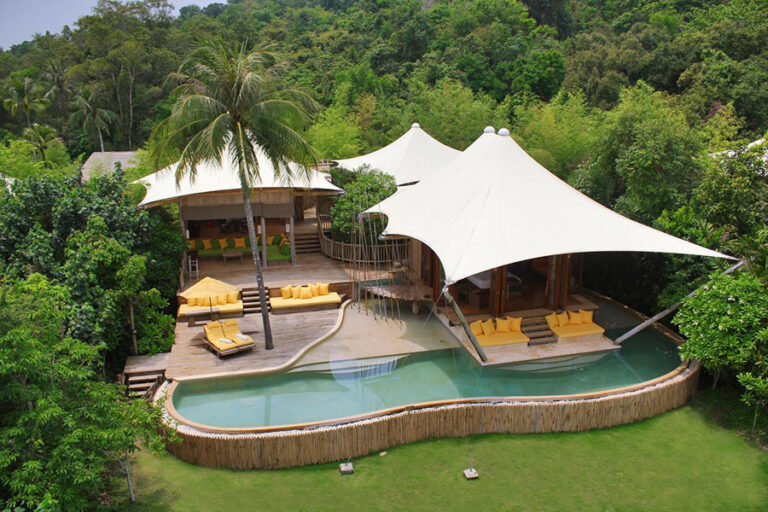
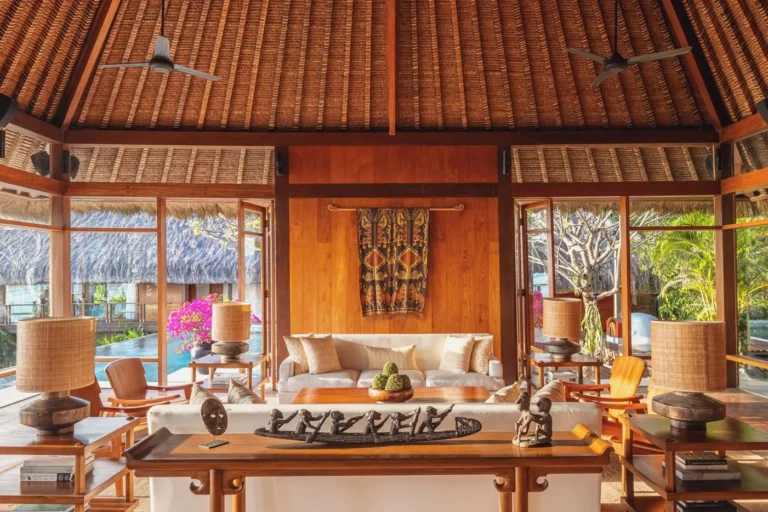
When you compare eco hotels amenities, focus first on the non-negotiables: energy and water. Luxury is often found in the quality of the local experience, not the availability of energy-intensive modern appliances. Select properties where the architectural design itself provides the amenity—natural ventilation instead of pervasive air conditioning, or local, seasonal food instead of imported delicacies.
Real-World Scenarios and Decision Logic
Scenario 1: The High-Desert Retreat
-
Constraint: Water scarcity is the primary limiting factor.
-
Decision Point: Does the hotel provide a pool? If so, is it brackish or filtered via a closed-loop system?
-
Failure Mode: A pool that relies on continuous extraction from a local, sensitive water table negates all other sustainable features.
Scenario 2: The Tropical Rainforest Lodge
-
Constraint: High humidity and energy demands for preservation.
-
Decision Point: Does the property use passive dehumidification, or is it heavily reliant on chemical/electric climate control?
-
Second-Order Effect: The use of traditional building techniques creates a deeper cultural connection for the guest but requires a willingness to live without hermetically sealed, cold rooms.
Planning, Cost, and Resource Dynamics
The implementation of sustainable amenities creates a unique cost structure. Because these hotels often opt for labor-intensive, local procurement over mass-market convenience, costs are frequently shifted from the bottom line (raw materials) to the community (labor).
-
Direct Costs: Often elevated due to the premium on fair-wage labor and high-quality, local organic inputs.
-
Opportunity Cost: Choosing these properties often means sacrificing the convenience of chain-hotel consistency for the specific, unique character of a local ecosystem.
| Resource Level | Typical Focus | Sustainability Maturity |
| Baseline | Basic recycling, low-flow fixtures | Foundational |
| Advanced | On-site renewables, permaculture gardens | Operational |
| Regenerative | Habitat restoration, community co-ops | Strategic |
Risk Landscape and Failure Modes
The primary risk is the “amenity trap”—the assumption that individual items represent the whole. A property might offer organic soaps but use high-energy, imported linens. The most significant failure is when the hotel prioritizes aesthetic “green” branding over the underlying engineering, leading to a system that appears sustainable but hides a high carbon impact. Furthermore, regulatory capture in certifications allows many properties to claim high standards despite failing to evolve their operations, which can mislead even the most careful researchers who compare eco hotels amenities.
Governance, Maintenance, and Long-Term Adaptation
Properties that lead in this space maintain rigorous internal auditing cycles. A high-quality property does not just “go green” once; it adapts its infrastructure based on annual resource reports.
-
Audit Cycles: Every operational change is reviewed for its impact on total resource intensity.
-
Adjustment Triggers: If local water levels drop, the property must be able to pivot its utility management in real-time.
-
Layered Checklist:
-
Verify current energy source mix.
-
Review food procurement origins.
-
Assess the lifespan and recyclability of in-room materials.
-
Measurement, Tracking, and Evaluation
True performance measurement is rooted in tangible data, not promises. Look for properties that provide:
-
Leading Indicators: Real-time visibility into power or water savings.
-
Lagging Indicators: Annual reports on total landfill waste diversion.
-
Qualitative Signals: The depth and honesty of staff in discussing the limitations of their property. Are they empowered to explain why certain amenities might be reduced to save resources?
Common Misconceptions and Oversimplifications
-
“Eco” means “Minimal”: A well-engineered property can be remarkably comfortable while remaining highly efficient.
-
Certification equals Accuracy: Many certifications are performative; they rarely look at the total operational lifecycle.
-
Offsetting is Sufficient: Buying carbon offsets is a remedy, not a strategy. True performance starts with radical reduction.
-
Amenities must be “New”: The most sustainable material is often an existing one; adaptive reuse is an amenity in itself.
Conclusion
The pursuit of sustainable travel necessitates a fundamental change in how a guest evaluates a destination. To effectively compare eco hotels amenities, one must move beyond the superficial level and examine the systemic, structural integrity of the property. This is a task that requires patience and a willingness to look beneath the surface of traditional hospitality tropes. By focusing on operational efficiency, local sourcing, and regenerative practices, travelers can identify properties that treat the host destination with respect and integrity. The future of travel is not found in the luxury of excess, but in the luxury of a well-maintained, balanced ecosystem that continues to thrive long after the guest has departed.