Top Eco Hotels Reservation Plans: A Guide to Sustainable Stays
The contemporary traveler faces a paradox of choice. As the hospitality sector pivots toward environmental accountability, the marketplace has become flooded with claims of sustainability, ranging from superficial “green” marketing to profound, structural shifts in operational philosophy. Navigating this landscape requires more than a cursory search for eco-labels; it demands a sophisticated understanding of how resource management, community integration, and architectural integrity converge to define a property’s true environmental footprint.
True sustainability in lodging is rarely a monolith. It is a spectrum involving everything from adaptive reuse of historical structures to the implementation of circular energy systems and regenerative agriculture. For the discerning guest, the act of booking is an exercise in discerning substance from signal. This article examines the systemic complexities of eco-conscious hospitality to provide a robust framework for making informed, high-value lodging decisions.
The following analysis moves beyond standard travel advice, deconstructing the methodologies required to align personal travel objectives with genuine environmental stewardship. It provides a technical and operational lens through which to evaluate the efficacy of lodging choices, ensuring that investment—both financial and moral—is directed toward properties that substantively contribute to the ecosystems they occupy.
Understanding “top eco hotels reservation plans”
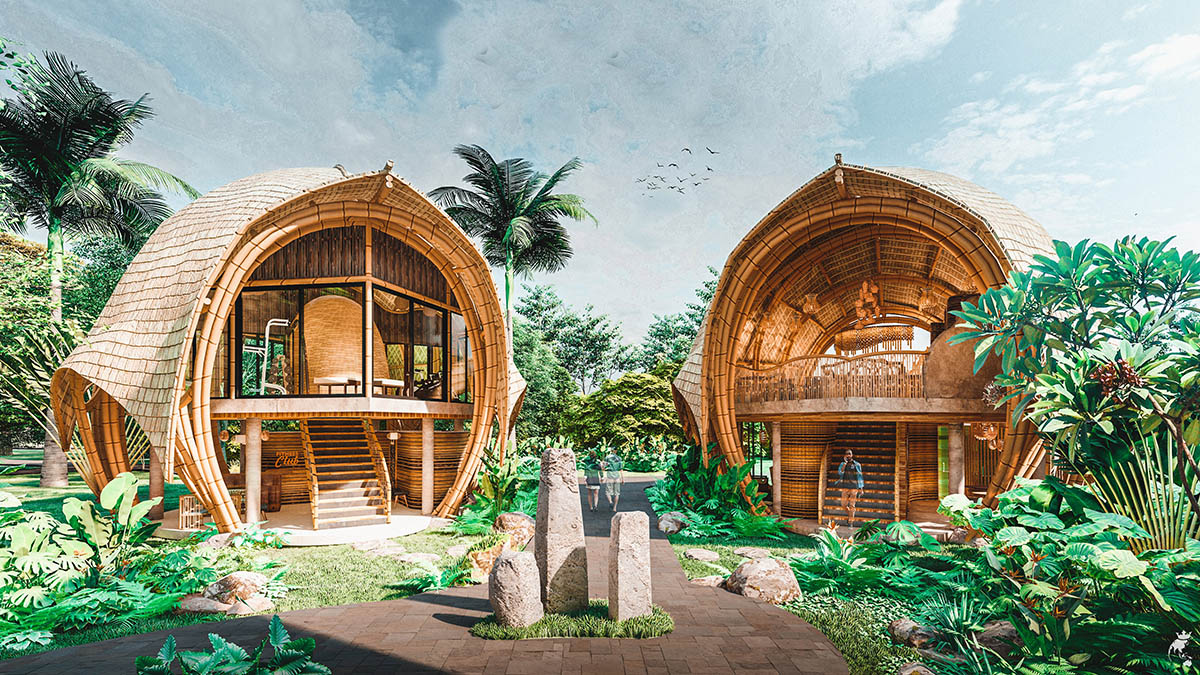
The term top eco hotels reservation plans often functions as a catch-all in digital search, but within a professional hospitality context, it refers to the strategic alignment of guest requirements—budget, location, and comfort—with the operational reality of high-performing sustainable properties. The core misunderstanding lies in treating these plans as a binary choice: a hotel is either “green” or it is not. In reality, sustainability is a variable outcome of specific management decisions.
A robust reservation plan for such properties is not merely about selecting a room; it is about verifying the property’s “systemic literacy.” Does the hotel account for its impact on local water tables? Are the energy systems integrated into the regional grid in a way that minimizes peak-load stress? When a traveler seeks out the best reservation strategies, they must weigh the marketing of the hotel against empirical data—such as waste diversion rates, local employment ratios, and verifiable third-party environmental certifications. Over-simplification here leads to “greenwashing,” where the consumer pays a premium for a “sustainable” experience that lacks measurable operational depth.
Deep Contextual Background
The evolution of sustainable hospitality began as a niche rebellion against the industrialization of tourism in the late 20th century. Initially, eco-tourism was synonymous with rustic, low-utility accommodations. Today, the sector has matured into a sophisticated pillar of international development, influenced by rigorous building standards such as LEED, BREEAM, and the proliferation of regional eco-certifications.
The industry has moved through three distinct phases:
-
The Compliance Phase: Properties focused on “low-hanging fruit” like towel-reuse programs and basic waste sorting.
-
The Efficiency Phase: The integration of smart sensors, greywater recycling, and energy-star appliances, prioritizing operational overhead reduction.
-
The Regenerative Phase: The current frontier, where properties aim to leave the surrounding environment in a better state than they found it, through biodiversity restoration, carbon-negative construction, and community wealth-building.
Conceptual Frameworks and Mental Models
To evaluate properties effectively, consider the following frameworks:
-
The Triple Bottom Line (TBL): A property must be evaluated on its commitment to Profit (economic viability), People (social equity/labor), and Planet (environmental impact). A hotel that achieves high environmental scores while exploiting its workforce fails this model.
-
Circular Economy Model: Does the hotel treat waste as a resource? (e.g., composting organic food waste for an on-site garden).
-
The “Scope” Attribution Model: Consider where the carbon impact is being mitigated. Is it in the direct construction, the energy procurement, or the guest-facing behaviors?
Key Categories and Comparison Logic
When synthesizing top eco hotels reservation plans, it is helpful to categorize properties by their operational priority.
| Category | Primary Focus | Trade-offs |
| High-Tech Green | Energy/Water Efficiency | Can feel clinical; high capital intensity. |
| Agritourism/Farm-Stays | Food Sourcing/Soil Health | Limited infrastructure; seasonal availability. |
| Biophilic/Design-Led | Natural Materials/Ventilation | Maintenance intensive; climate sensitive. |
| Community-Centric | Social/Economic Impact | Varies in luxury levels; accessibility hurdles. |
Real-World Scenarios and Decision Points
-
Scenario A: The Urban Business Traveler. Focuses on properties with integrated smart building management systems. The key decision point is the transparency of the hotel’s energy data reporting.
-
Scenario B: The Remote Conservationist. Prioritizes properties that fund local wildlife protection. Decision points here involve assessing the longevity of the partnership with local NGOs.
-
Scenario C: The Luxury Wellness Seeker. Looks for low-VOC environments and organic sourcing. Risk management involves confirming the authenticity of “organic” labels against local standards.
Planning, Cost, and Resource Dynamics
The financial planning for a sustainable stay requires an understanding of the “green premium.” While many sustainable hotels compete on value, the investment in high-quality materials and labor can elevate nightly rates.
-
Indirect Costs: Travelers should factor in the “opportunity cost” of staying further from central transit hubs, which may be necessary to find low-impact properties.
-
Long-Term Resource Impact: Sustainable properties often have lower long-term price volatility because they are less susceptible to energy price shocks, thanks to on-site renewable generation.
Risk Landscape and Failure Modes
The primary risks for guests include:
-
Green-Hushing: The practice of sustainable hotels failing to report their impact for fear of scrutiny.
-
Certification Fatigue: The sheer volume of eco-labels makes it difficult to differentiate between high-rigor audits (like EarthCheck) and self-awarded badges.
-
Systemic Mismatch: A hotel may use solar power but still rely on water-intensive laundry practices that strain the local drought-prone landscape.
Measurement, Tracking, and Evaluation
For the professional traveler, evaluating the effectiveness of top eco hotels reservation plans involves monitoring:
-
Quantitative Signals: Energy intensity per occupied room (kWh/occupied room).
-
Qualitative Signals: Consistency of staff knowledge regarding the property’s environmental policies.
-
Documentation: Reviewing the property’s latest ESG (Environmental, Social, and Governance) report.
Common Misconceptions and Oversimplifications
-
“Recycling is enough.” Proper waste management requires significant reduction before recycling.
-
“Newer is always better.” Older buildings that undergo energy-efficient retrofitting often outperform new builds in total lifecycle emissions.
-
“Location is irrelevant.” Sustainable tourism is deeply tied to proximity to transit and preservation of natural surroundings.
Conclusion
Developing top eco hotels reservation plans is an analytical process that rewards due diligence. By focusing on systemic performance rather than marketing aesthetics, the modern traveler can ensure their stay serves as a catalyst for responsible hospitality. As the sector continues to evolve, the most resilient reservation strategy will be one that remains adaptive, critical, and informed by a holistic view of the hospitality ecosystem.